Kedarnath Dham is not just a temple. It’s an experience — raw, cold, spiritual, and unlike anything else in India. Every year, lakhs of pilgrims and travellers make their way into the Garhwal Himalayas of Uttarakhand to seek blessings at this sacred shrine. But here’s what most first-timers don’t realise: the places to visit in and around Kedarnath Dham go far beyond the main temple.
There are glacial lakes, centuries-old shrines, silent valleys, and spiritual sites that most tourists simply walk past. This guide covers all of them — along with real travel tips, costs, and directions you’ll actually use on the ground.
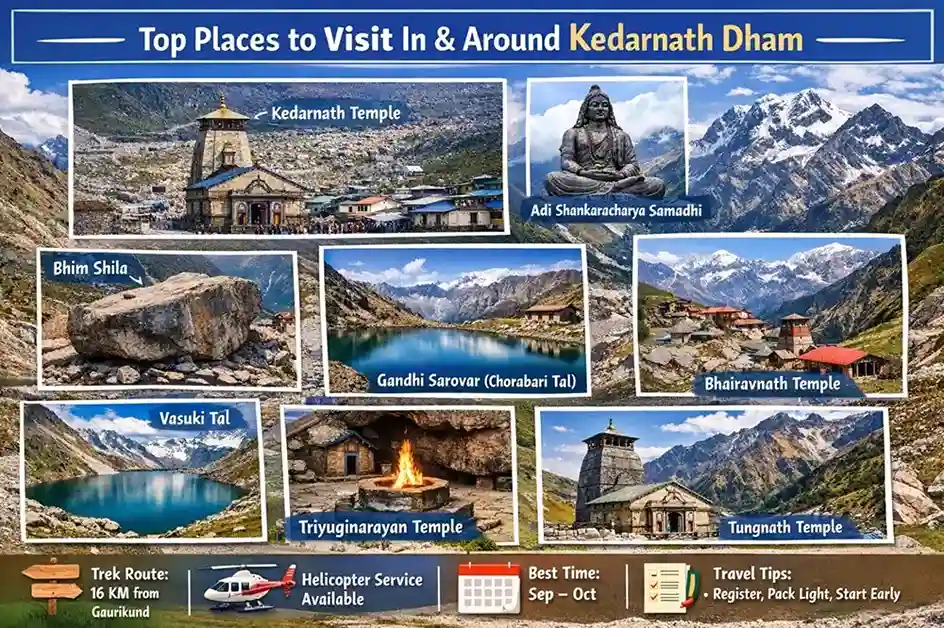
About Kedarnath Dham — The Basics First
Kedarnath Temple is dedicated to Lord Shiva and sits at an elevation of 3,583 metres above sea level. The temple is over 1,000 years old, built using large grey stone slabs, and worships Lord Shiva in the Sadashiva form through a unique conical lingam. It is one of the 12 Jyotirlingas, one of the Panch Kedars, and a key stop on the Chota Char Dham Yatra.
The Kedarnath Temple generally opens around early May and closes by late October each year. After that, heavy snowfall makes the entire region inaccessible.
Places to Visit Inside Kedarnath (At the Temple Complex)
1. Kedarnath Temple — The Sacred Core
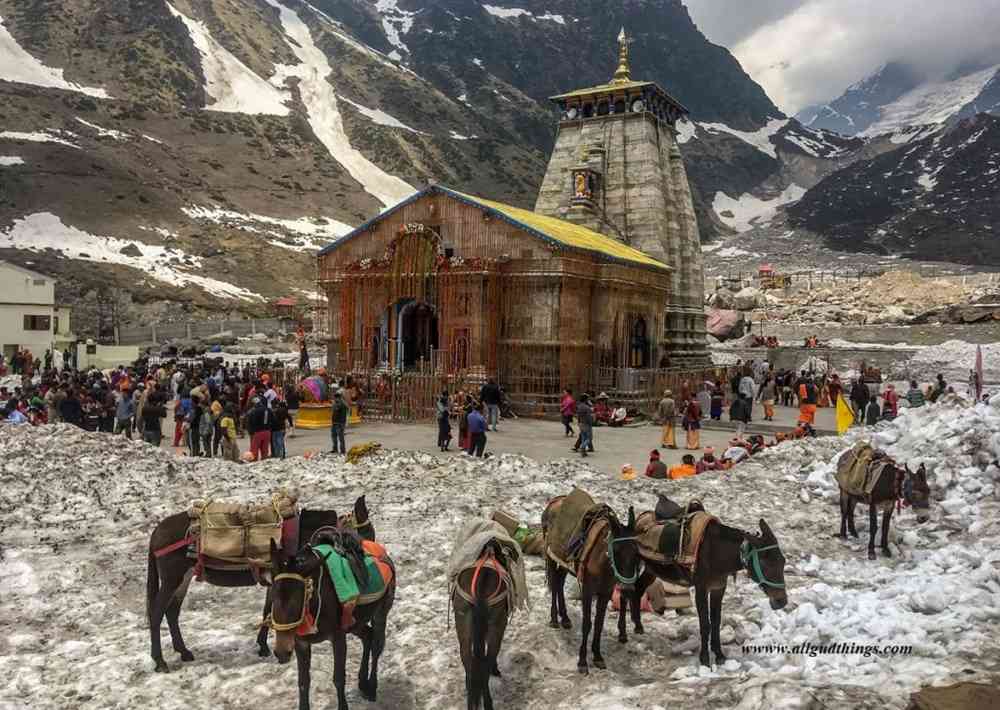
This is the main reason everyone comes here. The present temple structure is believed to have been built by Adi Shankaracharya around 1,200 years ago, and it stands adjacent to a site said to have been originally constructed by the Pandavas.
Inside, the Jyotirlinga takes the shape of a conical rock formation — Lord Shiva in his Sadashiva form. A large Nandi Bull statue guards the entrance.
Get there early. The queue during peak season can stretch for hours.
2. Adi Shankaracharya Samadhi
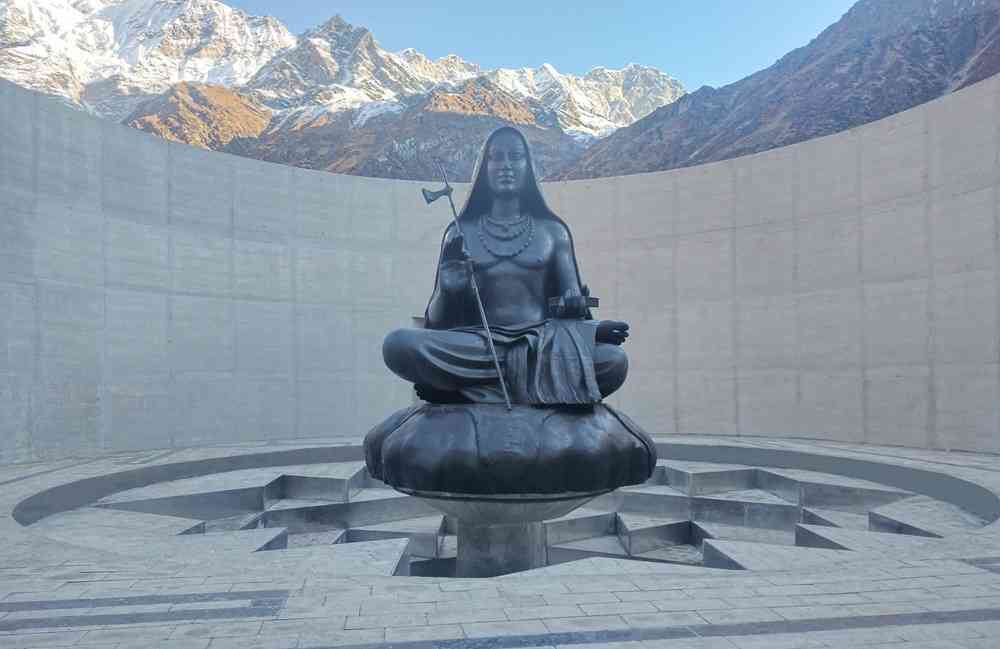
Just behind the main temple, this is one of the most spiritually charged spots in all of Kedarnath.
Adi Shankaracharya is credited with reviving Hinduism and establishing the Char Dham pilgrimage circuit. He attained mahasamadhi here at the young age of 32. A 12-foot statue of him stands in the Himalayan backdrop — peaceful, imposing, and deeply moving.
Spend a few quiet minutes here. Most pilgrims rush past it, and that’s a mistake.
3. Bhairavnath Temple
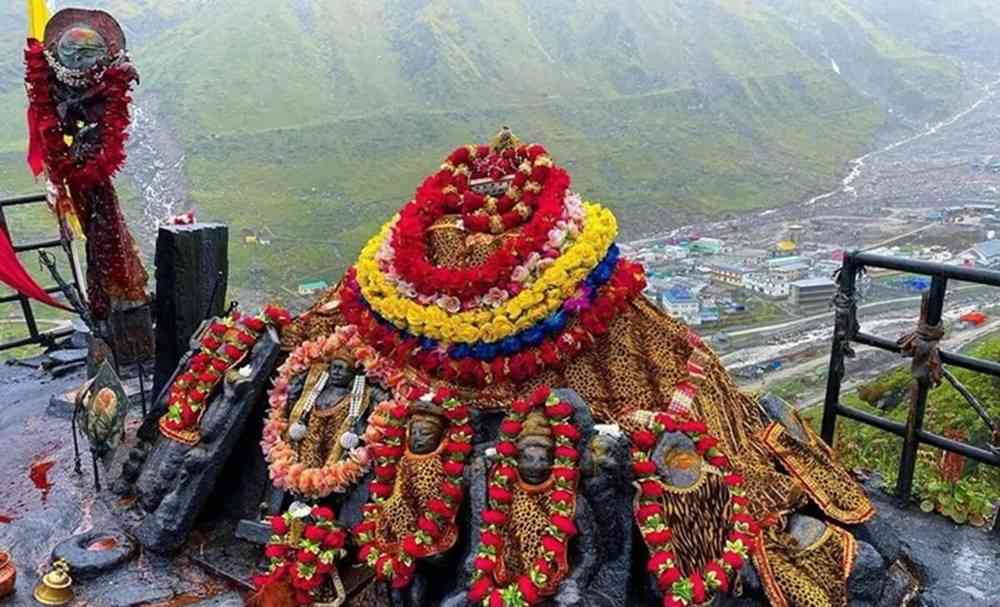
Bhairavnath Temple is located approximately 650 metres uphill from the main Kedarnath Temple. It is dedicated to the fierce incarnation of Lord Shiva known as Bhairava, and from here, you get stunning panoramic views of the Kedar Valley.
It’s a short walk but worth every step. The valley view from up there is the kind that stays with you.
4. Bhim Shila
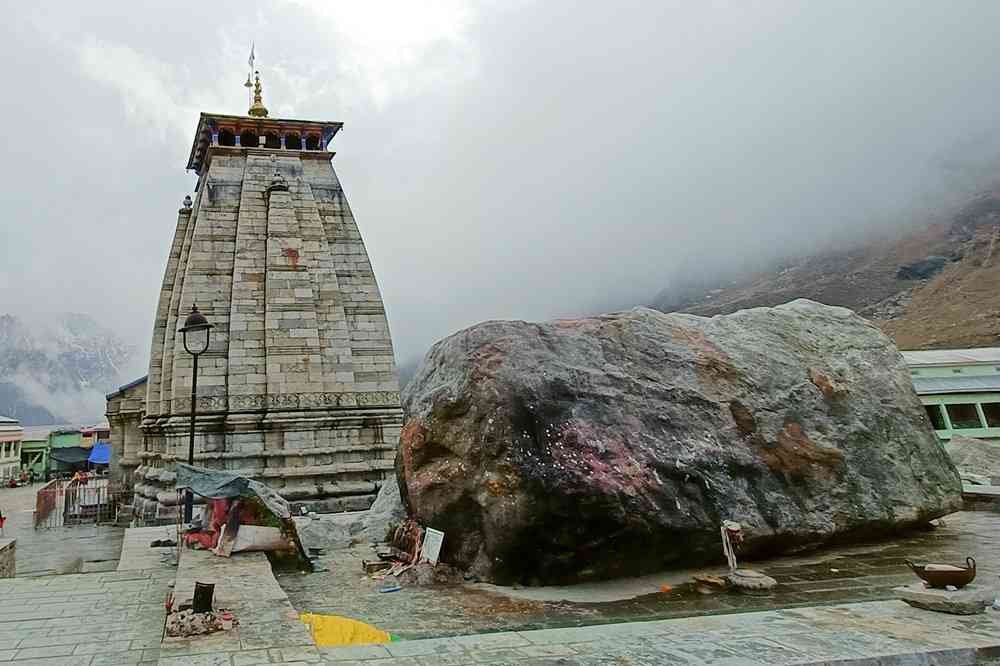
Bhim Shila is a massive rock located just behind the Kedarnath Temple. During the devastating 2013 floods, this rock rolled down from the mountain and stopped right in the path of the floodwaters, acting as a natural shield that helped protect the temple from destruction.
Local guides will tell you it’s divine protection. Whether you believe that or not, the scale of this rock — and what it survived — is stunning to see in person.
Kedarnath Trek Highlights — What You Pass on the Way
The 16 km trek from Gaurikund to Kedarnath is not just a means to an end. There’s a lot to see along the way.
5. Gaurikund — Where the Trek Begins
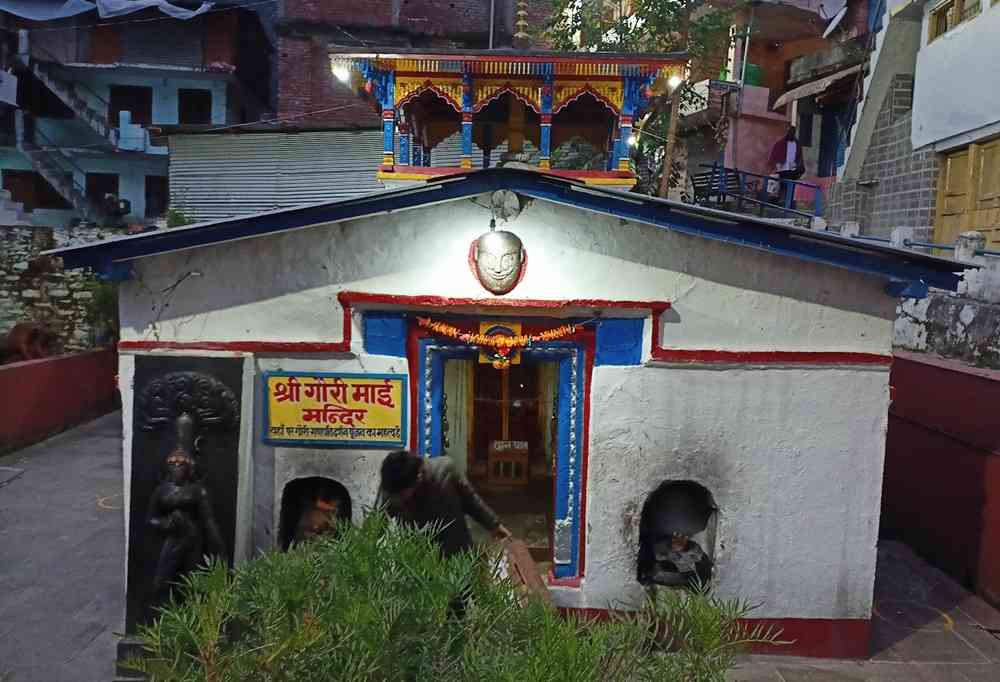
Gaurikund is one of the most spiritually important starting points for the Kedarnath trek. Mythologically, Goddess Parvati meditated here to be accepted as Lord Shiva’s wife. The site houses natural hot springs where bathing is considered auspicious.
Take a dip in the hot springs before the trek. It’s genuinely refreshing — and the water is surprisingly warm given how cold everything else is.
6. Gandhi Sarovar (Chorabari Tal)
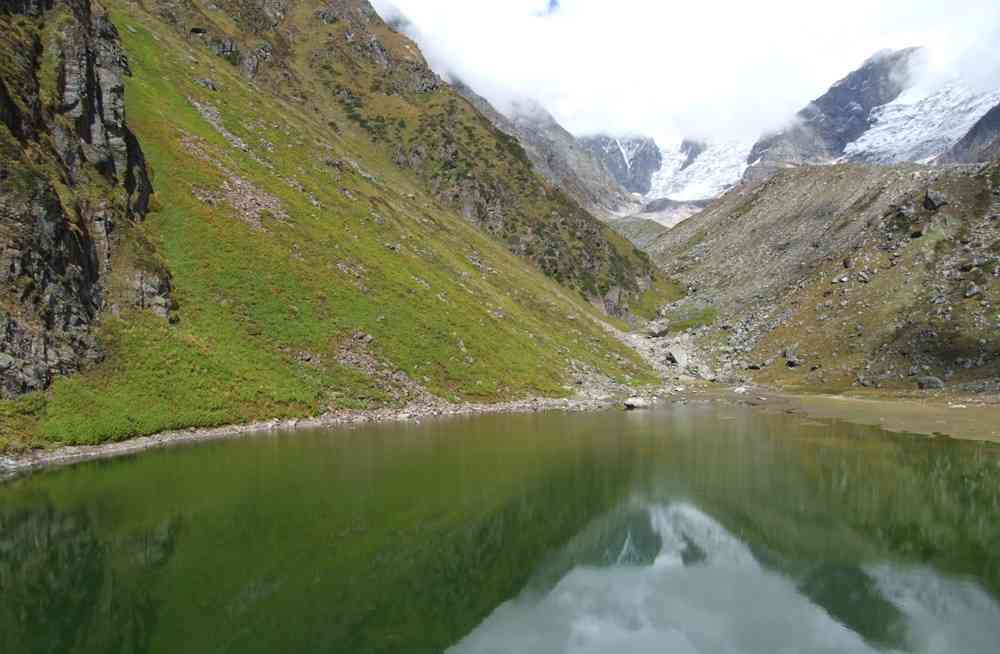
Chorabari Tal, also called Gandhi Sarovar, is a scenic glacial lake located about 3 km from Kedarnath Temple. It’s one of the most picturesque spots on the entire Kedarnath circuit.
The short detour is well worth it. On a clear morning, the reflection of the peaks on the water is something else entirely.
Places to Visit Near Kedarnath Dham (Within Day-Trip Distance)
7. Vasuki Tal — The Hidden Glacial Lake
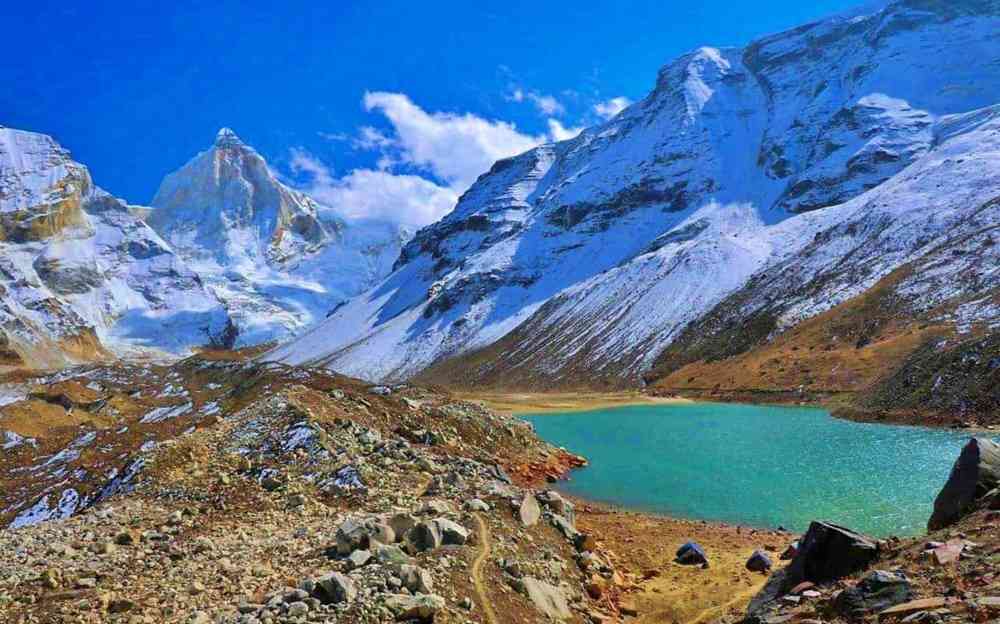
This one is for those who want to go beyond the usual. Vasuki Tal sits at an altitude of around 4,150 metres, about 8 km from Kedarnath. Surrounded by towering Himalayan peaks and alpine flowers, the lake is believed to be the spot where Lord Vishnu bathed. You can spot Brahma Kamal flowers blooming around the lake during summer.
It’s a moderately challenging trek — but if you’re fit and have an extra day, don’t skip it.
8. Sonprayag — Sacred Confluence
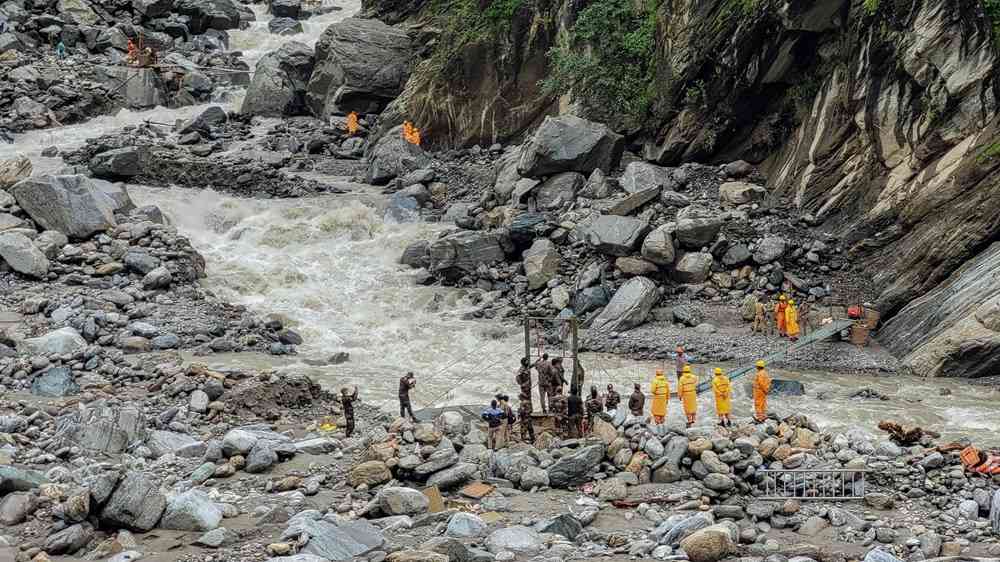
Sonprayag is where the Mandakini and Basuki rivers meet. Many devotees take a holy dip here for spiritual purification before continuing towards Kedarnath. It’s also the last point where private vehicles are allowed.
For first-time visitors, this is a good spot to spend 30–45 minutes and mentally prepare for what’s ahead.
9. Triyuginarayan Temple
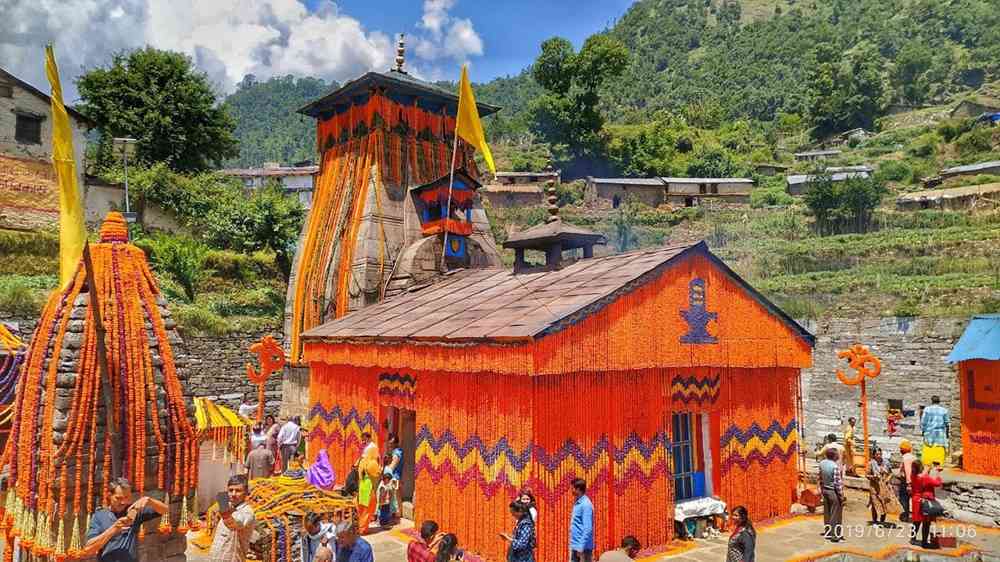
About 12 km from Sonprayag, this lesser-known gem is where, according to Hindu mythology, Lord Shiva and Goddess Parvati were married. The sacred fire in front of the temple is said to have been burning since that cosmic wedding. That’s not a metaphor — there is a flame here that locals maintain continuously.
It’s quiet, off the main tourist trail, and deeply atmospheric.
10. Guptkashi — The Town Before the Dham
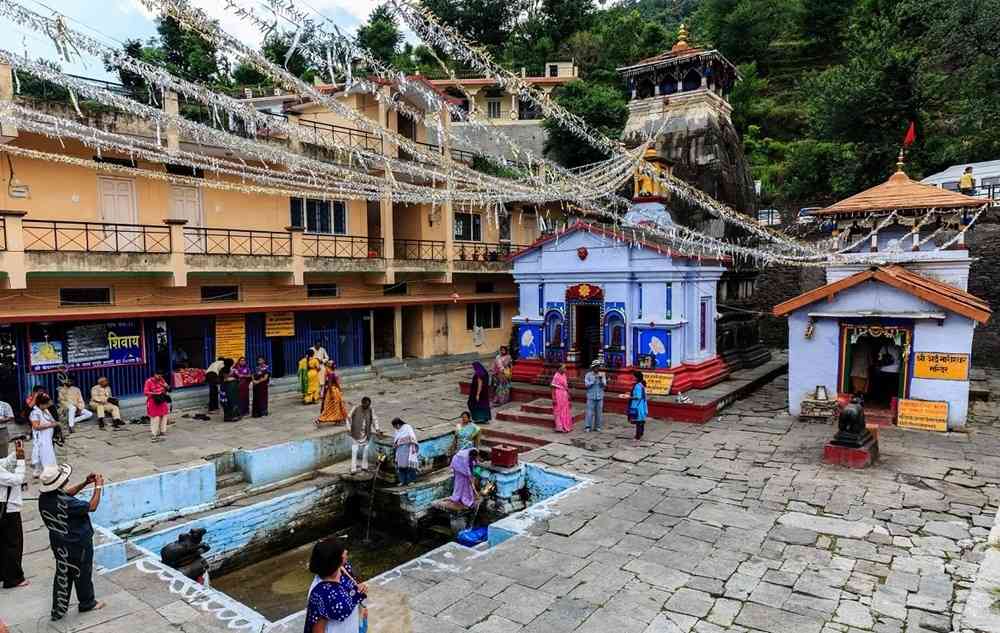
Guptkashi lies about 30 kilometres before Gaurikund on the route to Kedarnath, at an elevation of 1,319 metres. It is home to the Vishwanath Temple, and many pilgrims halt here for a night before continuing their yatra.
This is a practical stop — good food, decent guesthouses, and much calmer than Gaurikund. If you’re doing the trek in stages, Guptkashi is the ideal base.
11. Tungnath Temple — World’s Highest Shiva Temple
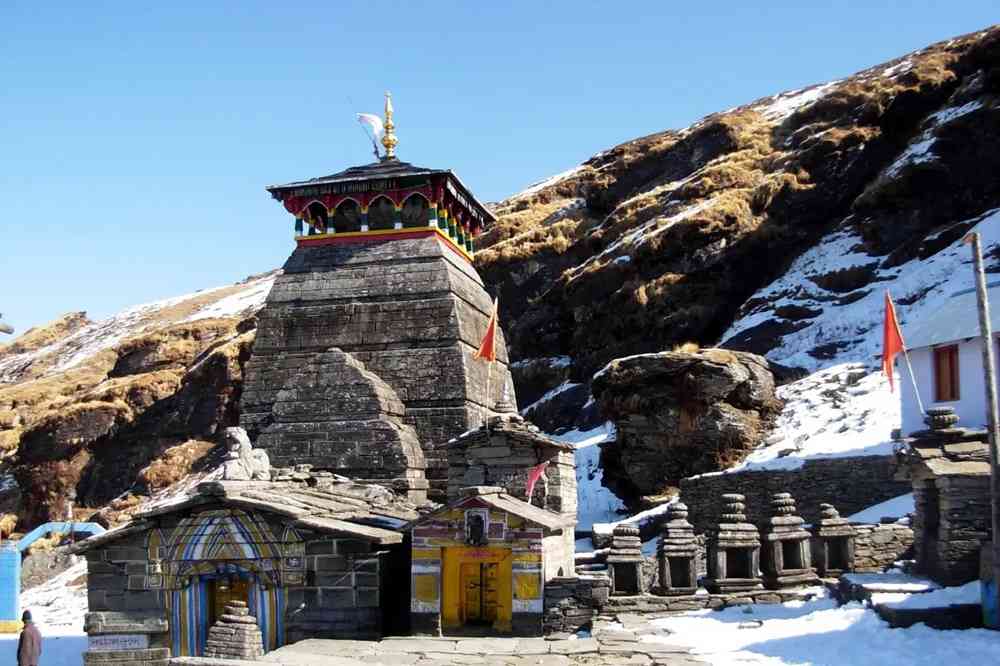
Tungnath Temple stands at approximately 3,680 metres above sea level and is considered the highest Shiva temple in the world. It is the third shrine among the Panch Kedars and sits about 3.5 km from Chopta on a relatively accessible trail.
Chopta itself is called the “Mini Switzerland of Uttarakhand” — and the meadows there honestly live up to the name.
12. Ukhimath — Kedarnath’s Winter Home
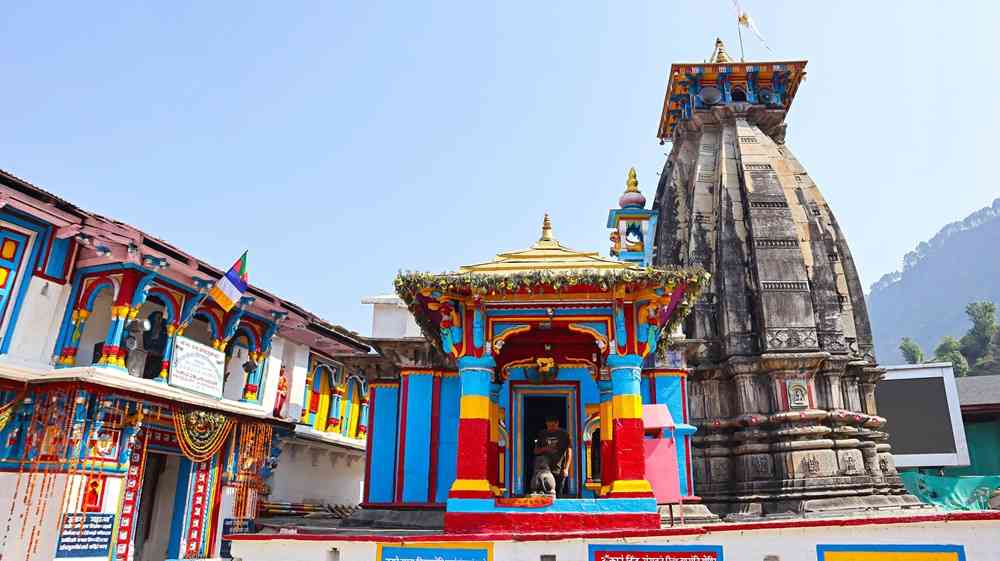
During winter, the idols from both Kedarnath Temple and Madhyamaheshwar are brought down to Ukhimath and worshipped here for six months.
If you’re visiting outside the Yatra season, Ukhimath is actually where you’ll find the residing deity. It sits at around 1,317 metres and is a calm, undervisited village that gives you a real sense of local Garhwali life.
13. Kedarnath Wildlife Sanctuary
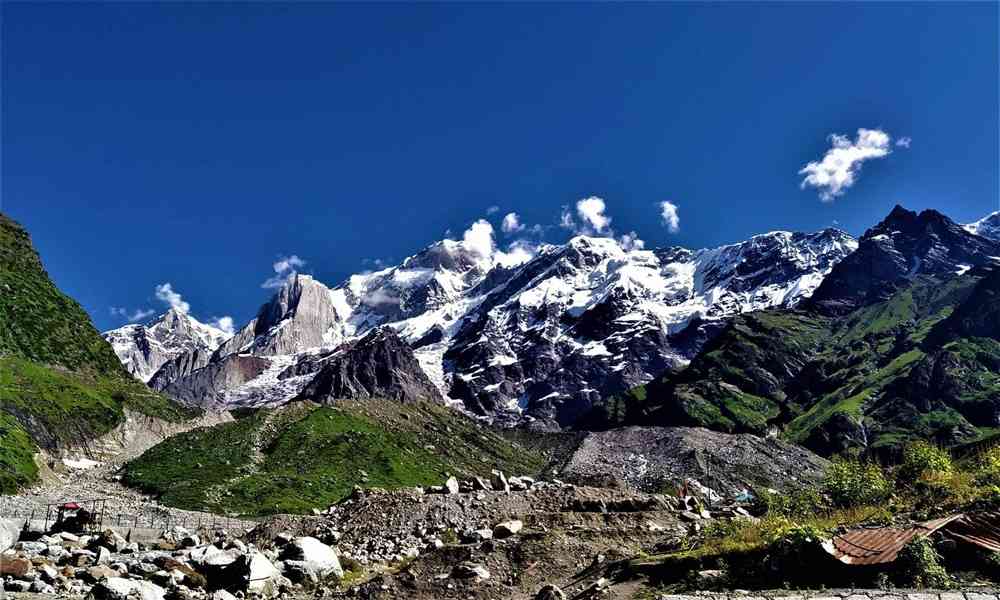
The Kedarnath Wildlife Sanctuary covers 975 square kilometres and is home to the endangered musk deer, Indian leopards, snow leopards, Himalayan black bears, and red foxes. It is best visited during summer when the sanctuary is accessible.
This is not a typical tourist attraction — it’s wild, high-altitude Himalayan terrain. Go with a guide.
Best Time to Visit Kedarnath Dham
| Season | Months | What to Expect |
|---|---|---|
| Peak Pilgrimage Season | May – June | Large crowds, warm days, clear mornings |
| Post-Monsoon Sweet Spot | September – October | Fewer pilgrims, crisp air, stunning skies |
| Monsoon (Avoid) | July – August | Heavy rain, landslide risk, limited helicopter ops |
| Winter (Closed) | November – April | Temple shut, heavy snowfall |
From practical experience, September is the best month. The rains have mostly cleared, the trails are less crowded, and the Himalayas look their absolute sharpest.
How to Reach Kedarnath Dham
Getting here is half the journey. Here’s a quick breakdown:
| Route | Distance | Mode |
|---|---|---|
| Jolly Grant Airport (Dehradun) to Gaurikund | ~239 km | Flight + Road |
| Rishikesh Railway Station to Gaurikund | ~216 km | Train + Road |
| Delhi to Sonprayag | ~450 km | Road (via Haridwar – Rishikesh – Rudraprayag) |
| Gaurikund to Kedarnath Temple | 16–18 km | Trek / Pony / Helicopter |
Sonprayag is the last point where private vehicles are allowed. From here, pilgrims take shared jeeps to Gaurikund and then begin the trek.
Trek timings: The designated trekking hours are 4:00 AM to 1:30 PM. Starting early is strongly recommended to avoid unpredictable afternoon weather.
Essential Travel Tips
- Register first. Char Dham Yatra registration on the Uttarakhand government portal is compulsory for all pilgrims. You can register on the Tourist Care Uttarakhand app or by sending “Yatra” to WhatsApp number 8394833833.
- Carry your documents. Aadhaar card, registration proof, and a medical certificate are all required for helicopter travel.
- Don’t overpack. The trek is hard enough. Keep your bag under 5 kg if you’re taking the helicopter.
- Start the trek before 6 AM. Afternoon weather in the high Himalayas is unpredictable. You don’t want to be caught in rain above 3,000 metres.
- Acclimatise. Spend a night in Guptkashi or Sonprayag before attempting the trek. Altitude sickness is real and not something to dismiss.
Common Mistakes to Avoid
- Booking helicopter tickets from unofficial agents or third-party websites. IRCTC is the only official platform for Kedarnath helicopter bookings — any other source claiming to sell tickets is a scam.
- Skipping the registration process and assuming you can walk in without it.
- Going in July or August — the monsoon in this region is serious. Landslides have blocked the route multiple times.
- Underestimating the trek. A 16 km uphill walk at high altitude is not the same as a 16 km walk on flat ground.
FAQs
Q: How long does the Kedarnath trek take?
Ans: The trek from Gaurikund to Kedarnath Temple typically takes 6 to 8 hours, depending on your pace and fitness level.
Q: Is Kedarnath safe for solo female travellers?
Ans: Yes — and multiple traveller accounts confirm this. The route is well-monitored, especially during the pilgrimage season. Joining a group or booking through a reputed travel operator adds a layer of comfort.
Q: Can children take the helicopter to Kedarnath?
Ans: Children below 2 years can travel free of cost. Those above 2 years are charged at adult rates.
Q: What should I pack for Kedarnath?
Ans: Woollen clothes, trekking shoes, a raincoat, ID proof, and essential medicines are the basics. Add sunscreen, a reusable water bottle, and energy snacks.
Q: When does Kedarnath Dham open in 2026?
Ans: The Char Dham Yatra 2026 is set to open from 19 April 2026. Exact dates are announced by temple authorities closer to the season.
Final Thoughts
Kedarnath is not just a pilgrimage. It is one of those rare places where the mountains, the mythology, and the sheer physical effort of getting there all combine into something that’s hard to put into words. The places to visit in and around Kedarnath Dham — from Vasuki Tal’s silent glacial waters to Bhim Shila’s quiet miracle — are part of that larger story.
Plan well, register on time, and go with an open heart. The Himalayas will do the rest.
Suggested Tour: